If you’re responsible for a business premises in England, the Regulatory Reform (Fire Safety) Order 2005 requires you to carry out a fire risk assessment and keep it up to date. If you employ five or more people, it must be written down. Many businesses bring in a professional assessor to do this, and it helps to know what they’ll be looking at.
Here’s what a fire risk assessment in Manchester or Warrington typically covers.
1. Sources of ignition and fuel
The assessor starts by identifying what could start a fire and what could feed it. Ignition sources include electrical equipment, heaters, cooking, hot works, smoking areas and machinery. Fuel includes stored stock, packaging, waste, flammable liquids and furniture. They’ll look at how these are stored and whether the two are kept apart.
2. People at risk
Who is in the building, and who might find it harder to get out? Staff, visitors, contractors, lone workers, people working at night and anyone with mobility or hearing difficulties all need considering. This shapes everything that follows.
3. Fire detection and warning
The assessor checks that you have a suitable fire alarm for the building and how it’s used, that it can be heard everywhere, and that it’s tested regularly. They’ll usually ask to see the weekly test log and the six-monthly service records.
4. Escape routes and emergency lighting
Escape routes need to be clear, well signed and lead to a place of safety. The assessor will check that fire exits open easily, corridors and stairs aren’t blocked or used for storage, and that emergency lighting works and is tested.
5. Fire doors and compartmentation
Fire doors slow the spread of fire and smoke, but only if they close properly and aren’t wedged open. The assessor will check door closers, gaps, seals and signage, and look for holes in walls and ceilings that could let fire spread.
6. Firefighting equipment
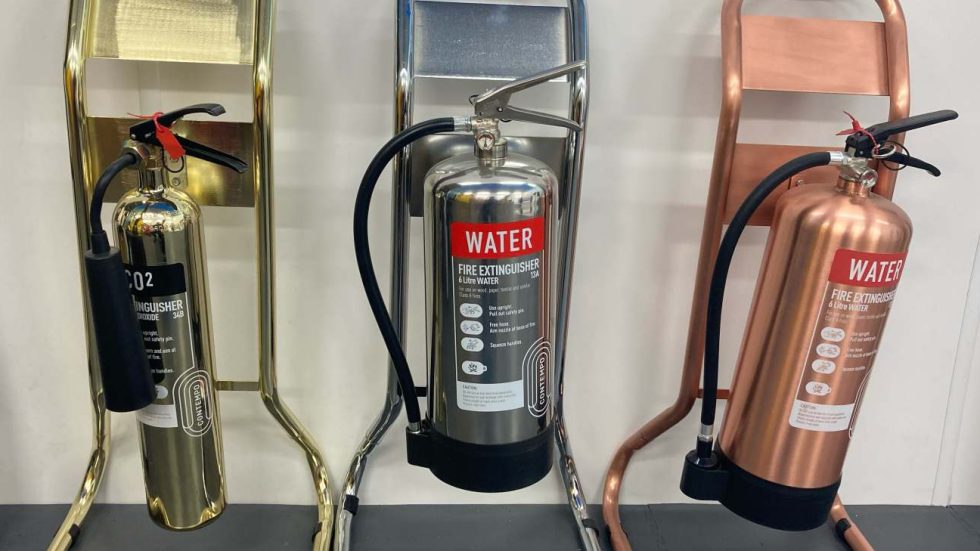
Extinguishers need to be the right type for the risks nearby, mounted where people can reach them and serviced annually. Fire blankets are expected in kitchens.
7. Training and procedures
Do staff know what to do when the alarm sounds? The assessor will ask about fire training, fire drills, the evacuation plan and whether fire wardens are appointed and trained.
8. Records and review
Finally, the assessor checks your paperwork: alarm tests, extinguisher servicing, emergency lighting checks, drills and training records. Your assessment should be reviewed regularly and whenever something significant changes, such as building work, a new layout or a change in how the premises is used.
Common findings
The issues that come up most often are fire doors wedged open, blocked escape routes, missing test records and staff who haven’t had training. Most are cheap to fix once they’re spotted.
Get a professional fire risk assessment
At Spectra Fire and Security, we carry out fire risk assessments in Manchester, Warrington and the surrounding area. You’ll get a clear written report with prioritised actions, and we can help you put them right. Get in touch to book an assessment.